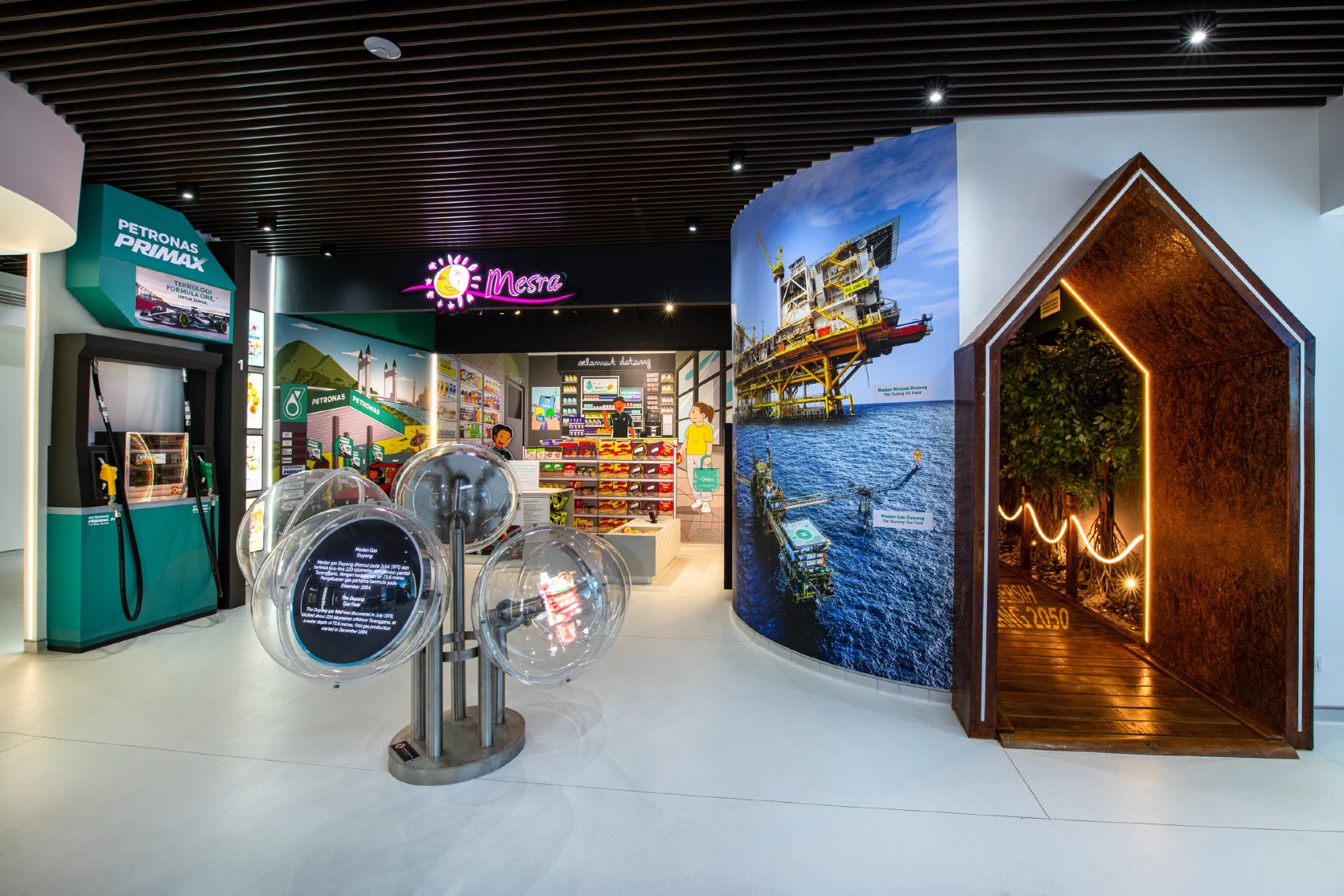
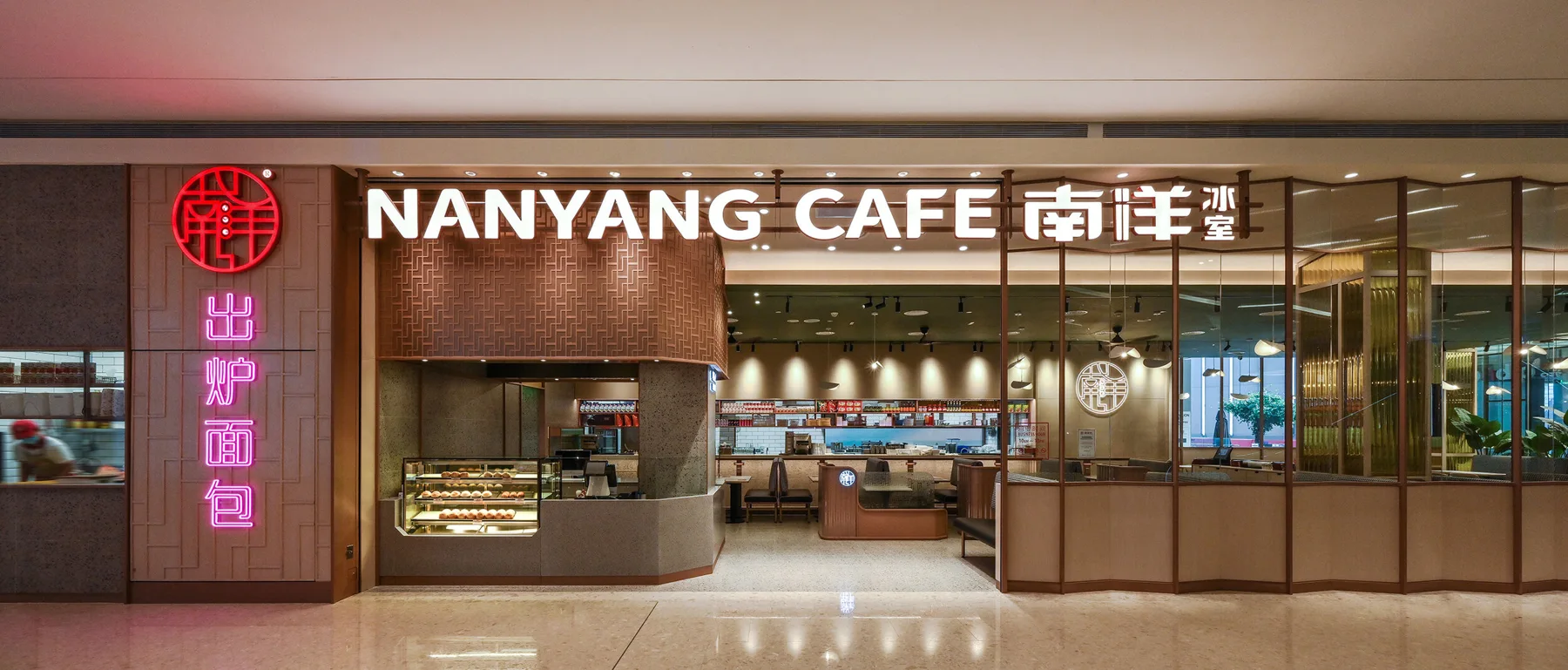
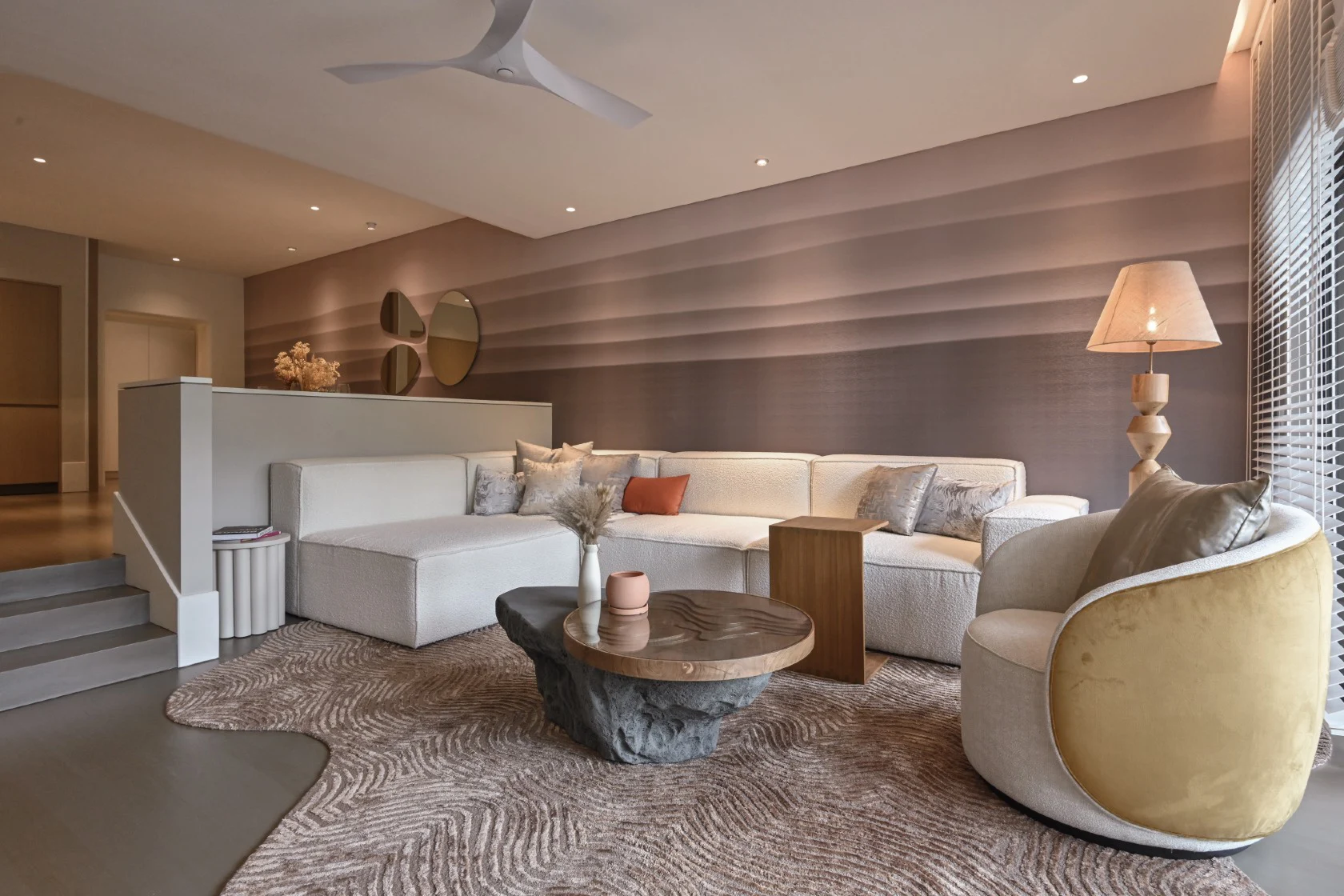
Context
Before the first line is drawn, we observe. The site, its limitations, its surroundings and the client’s operations create the starting point for the design.
A space should move people, serve a purpose and leave a meaningful legacy.
We see more than the physical boundaries of a room. We see context, culture, emotion and purpose.
Different perspectives come together to shape an interior. The result is a place that makes sense for its setting, its people and the ambitions behind it.
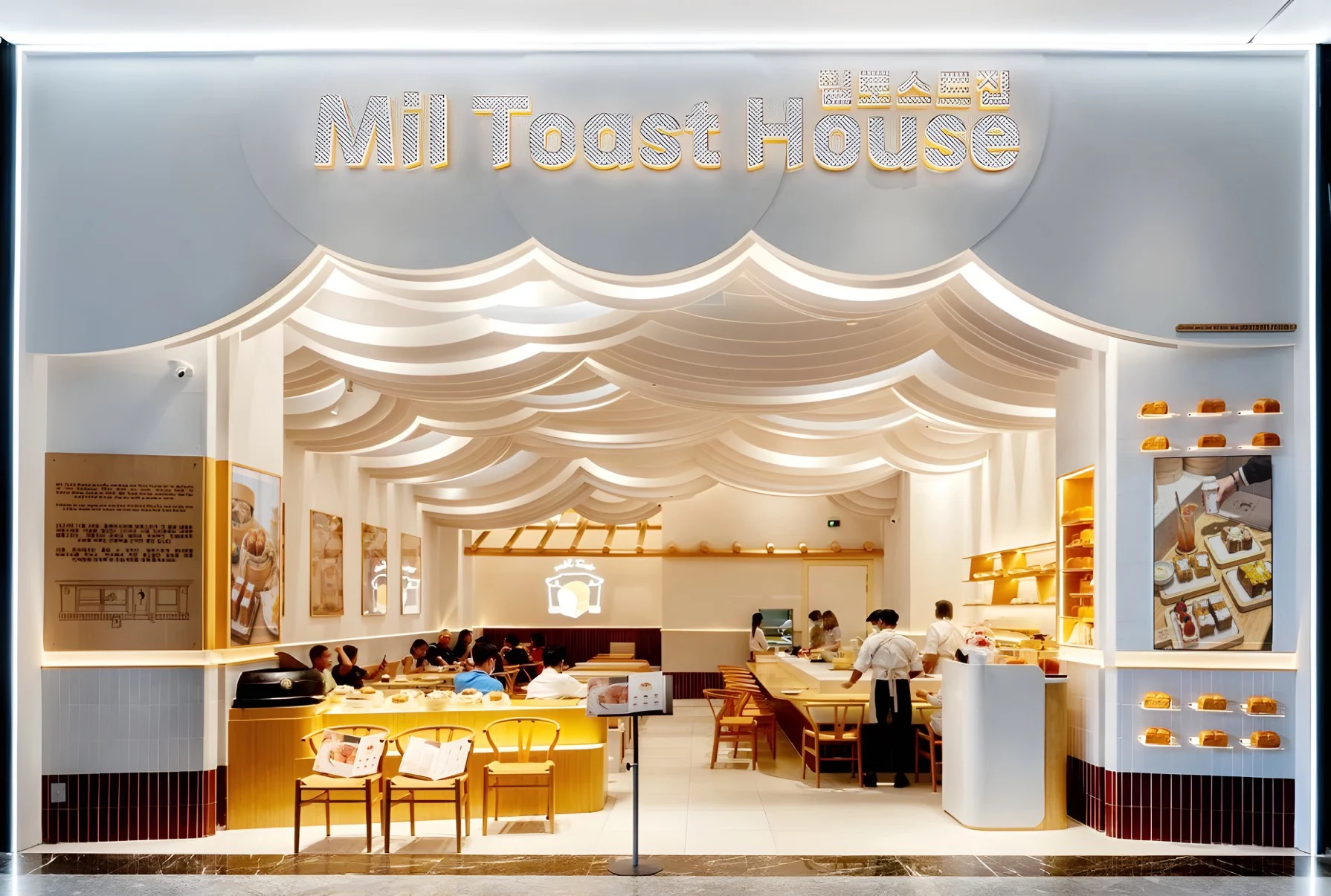
Before the first line is drawn, we observe. The site, its limitations, its surroundings and the client’s operations create the starting point for the design.
Local references give an interior its voice. Regional memory can appear in a material, a colour, an object or the sequence through a space.
Interiors engage the senses. Scale, texture, light and moments of discovery shape how people feel and connect with a place.
A compelling idea must work in everyday life. Planning, durability, commercial priorities and operational needs develop alongside the visual concept.
Begin with the people using the space. Map their journey, understand their priorities and shape the experience around real activities.
AI, digital modelling and prototyping can accelerate exploration. Originality, contextual understanding and design judgement remain the responsibility of the designer.
Client dialogue, sketches, samples and specialist collaboration connect a design idea with the decisions needed to realise it.
Tell us about your project, its location and the experience you want to create.